Own Your Corner of the Web: The $8-for-Life Rebellion Against the Rental Internet
Here's a fun experiment: add up what you've paid, over your lifetime, to rent your digital existence. Your domain, your hosting, your email, your streaming, your storage. Now compare it to what you paid, once, for the guitar in your closet — an object you can hold, resell, or will to your niece.
A small band of webmasters looked at that math and decided the internet had a business-model problem. Their fix sounds almost comically modest: sell domains and hosting as a one-time purchase. Pay once, roughly the cost of a decent pizza, and your corner of the web is yours for as long as the servers exist.
How a 'Forever' Domain Even Works
The mechanics matter, because nothing on the internet is truly forever. Domain registrations are, by rule, annual — the global system doesn't sell lifetime leases. So the lifetime-domain folks get creative. Some front-load decades of renewals from your one payment and invest the float. Some run on niche or legacy top-level domains with cheap wholesale costs. Others are blunt about it: your domain is yours for the life of the service, and the service's life is a promise backed by reputation, not a contract.
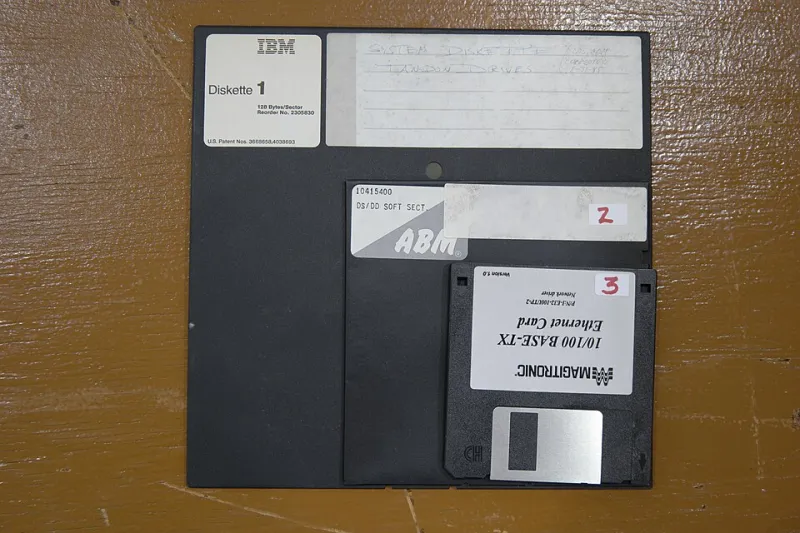
The hosting side is more straightforward. A one-time fee buys you a modest allocation — a few megabytes, no database, static pages — on hardware the operator has committed to maintaining. Think of it less like AWS and more like a community garden plot with a very long lease.
The Anti-Subscription Sentiment
The people buying in aren't naive about the risks. They're exhausted. Every service you loved has become a subscription; every subscription has crept in price; every price hike came with a reminder that you own nothing. The phrase that comes up again and again in these communities is "the rental web" — said the way you'd say "the man."
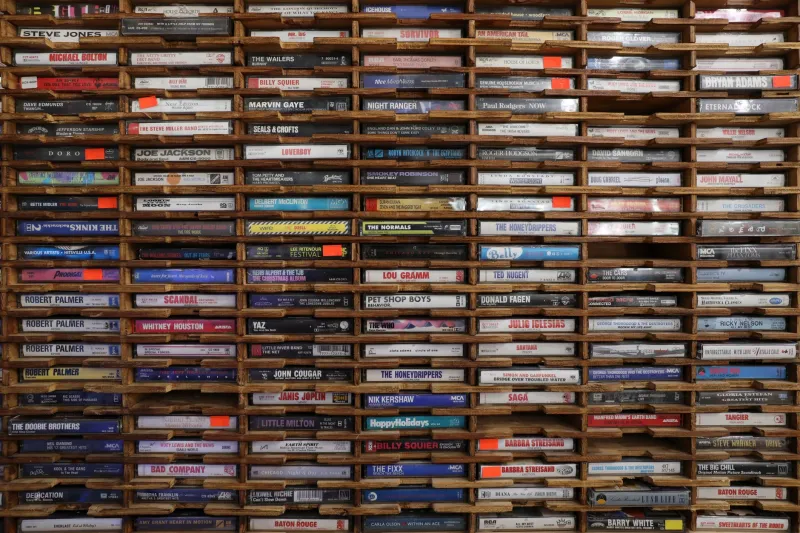
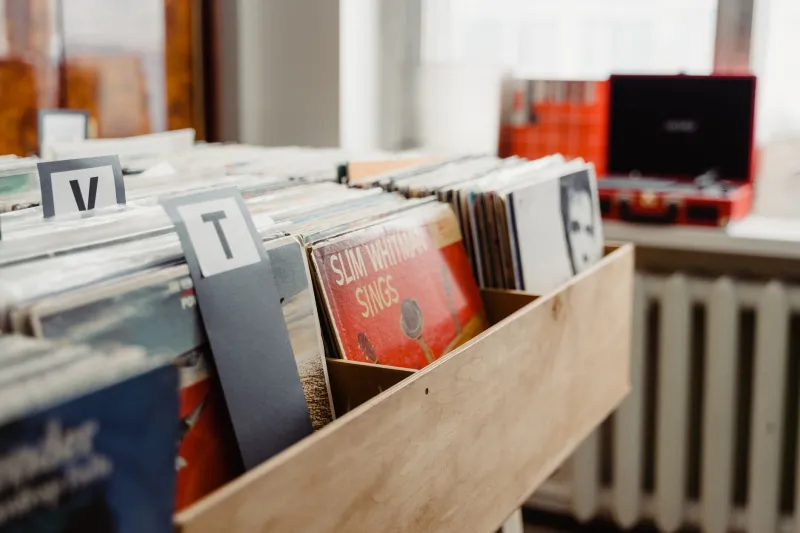
There's a musical parallel the buyers themselves like to make. Vinyl survived the streaming era precisely because ownership has a feeling to it — the object, the permanence, the shelf it sits on. A lifetime domain is the web's equivalent of a record collection: small, physical-adjacent, yours until you say otherwise. Some of these hosts even market their static sites as the digital equivalent of a liner-notes zine, the kind of thing a band would've pressed in 1994.
The Fine Print Nobody Ignores
Skeptics — and there are many — point out the obvious. A one-time purchase is a bet on the operator's lifespan. If the registrar folds, your "forever" domain is a screenshot. The honest operators say this out loud: the model works only at small scale, run by people whose costs are low and whose incentive is the community, not the exit.
And that, ironically, is the pitch. A giant registrar selling lifetime domains would be a Ponzi-shaped liability. A two-person operation running lean hardware, transparent about its books, can honor the promise indefinitely — the same way a small venue keeps its doors open for decades on nothing but loyalty and cheap rent.
Can You Actually Buy the Internet Once?
Probably not all of it. The subscription model won the infrastructure war, and most of what you use daily will remain a meter running. But the movement isn't trying to defeat Amazon. It's trying to prove a point: that a website can be a possession rather than a line item, that some corner of the web can sit outside the churn.
The people paying their $8 are, in a sense, buying a lottery ticket on the operator's integrity and losing nothing but the cost of two coffees. In return they get something the modern web rarely sells: the feeling of a deed instead of a lease. Turn on a lifetime-hosted site and there's no banner, no upsell, no auto-renewal email lurking in your future. Just a page, on a server, that someone promised to keep.
In an internet where everything hums along only as long as the payments clear, that might be the most punk thing left to build.