Frozen in Thread: The Strange Afterlife of Forums Nobody Moderates Anymore
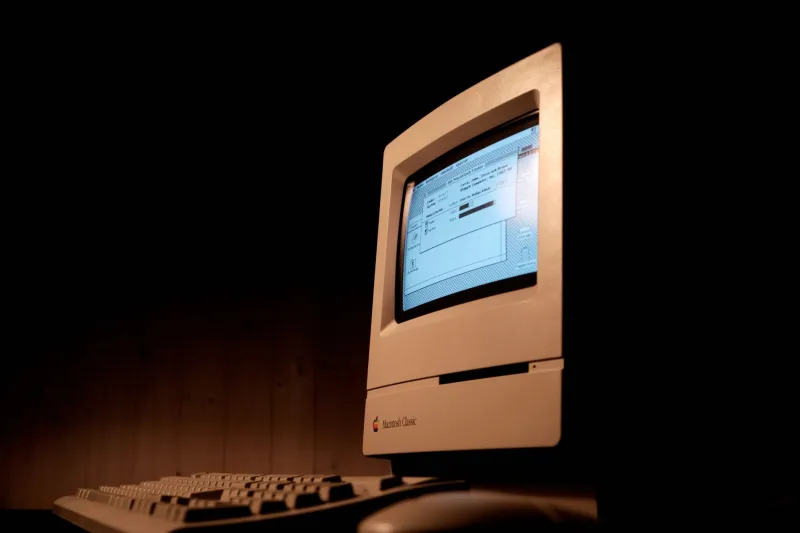
Somewhere out there, a thread titled something like "Anyone else having lag issues on the western server???" has been sitting untouched since February 2007. The original poster probably forgot they ever wrote it. The game it references might not even have working servers anymore. But that thread is still up. Still indexed. Still getting occasional visitors who found it through a search query that somehow hasn't gone stale.
This is the quiet, strange world of the dead forum—and it turns out a lot of people are paying attention.
What Makes a Forum "Dead" (and Why It Doesn't Really Matter)
The definition is looser than you'd think. Some forums went dark when their admins stopped renewing hosting fees and someone else quietly kept the lights on out of inertia. Others had active communities that just... dispersed, the way a crowd does when the show ends—no dramatic goodbye, just a slow drift toward Discord or Reddit or wherever the group chat migrated. The threads stayed. The registration pages still technically work. The last post timestamps read like epitaphs.
What's interesting is that "dead" in this context doesn't mean inaccessible. A lot of these boards are perfectly functional as read-only artifacts. You can scroll through years of arguments about TV show finales, recipe swaps, local sports teams, and niche software bugs. The conversations are complete in a way that almost nothing online is anymore—no algorithmic interruptions, no recommended content sidebar pulling you somewhere else, no ads retargeting you based on what you clicked three days ago. Just a thread, a timestamp, and whatever someone thought was worth typing out at 11pm on a Tuesday in 2005.
The People Who Come to Read
The audience for these spaces is genuinely hard to categorize. Digital archaeologists is the term that gets thrown around most often, but it doesn't quite cover everyone.
There are researchers—actual academics and journalists—who mine old forum threads for social history, tracking how online communities talked about events like Hurricane Katrina or the 2008 financial crash in real time, before narratives hardened. There are nostalgia seekers who remember being on these kinds of boards and go looking for the specific texture of that era: the signatures with animated GIFs, the post count displayed like a badge of honor, the way people typed before everyone had smartphones and autocorrect.
And then there's a quieter category—people who aren't looking for anything specific, who just find the experience of reading old forum threads genuinely calming. There's something about the completeness of a finished conversation. Nobody's going to reply. The argument is over. Whatever drama was playing out in that subforum resolved itself one way or another, years ago, and you're just reading the record.
It's a vibe that doesn't map neatly onto how we usually talk about internet consumption. It's more like reading old letters than browsing social media.
What These Boards Actually Preserve
Here's the part that gets underappreciated: pre-algorithm internet had a texture that's genuinely difficult to reconstruct from memory alone. Forum culture from the late '90s through the mid-2010s operated on rules and rhythms that didn't survive the platform consolidation era.
People built identities around their post history. Reputation was earned through sustained participation in a specific community, not follower counts. Inside jokes developed over years, not weeks. A single thread could run for hundreds of pages and still feel coherent because everyone involved knew each other's posting style. The community had memory.
Reading a dead forum is sometimes the only way to actually access that texture. Screenshots exist, but they're fragmentary. Wayback Machine captures are incomplete and often broken. An intact, still-hosted forum is a rarer and more complete artifact than most people realize.
Some of what gets preserved is mundane—arguments about anime filler arcs, debates about the best budget graphics cards of 2009. But mundane is exactly what most archives miss. The big moments get documented. The ordinary texture of how people talked to each other online, the casual register, the community norms that never got written down anywhere—that's what disappears when a forum goes dark for good.
The People Keeping Them Up
This is where it gets genuinely strange. There are small, loosely organized groups of people who actively monitor when old forums are at risk of going offline and work to preserve them—sometimes by mirroring content, sometimes by literally paying hosting fees for boards they have no personal connection to.
The motivation varies. Some are driven by a preservationist impulse that's almost archival in its seriousness. Others got personally burned when a community they cared about disappeared without warning and decided they didn't want that to happen to anyone else's corner of the internet. A few are just collectors in the way that some people collect old magazines or out-of-print books—the rarity itself becomes the point.
What they'll tell you, if you ask, is that deletion is permanent in a way that feels different from other kinds of loss. A shuttered physical bookstore is gone, but the books still exist somewhere. When a forum's domain lapses and the content isn't archived, it's genuinely gone—those specific conversations, in that specific context, with that specific community, cease to exist in any recoverable form.
That's a different kind of loss than most people think about when they think about what gets lost online.
The Quiet Stakes of Digital Ruins
There's a tendency to treat old forums as trivial—ephemeral chatter from a less sophisticated internet era. That framing misses something. These boards documented how ordinary Americans talked about their lives, their interests, their communities, and the world during a period of significant cultural and technological change. The informality is the point. This is what people actually sounded like, when they weren't performing for an algorithm or a brand.
The forums that survive intact are increasingly rare. Platforms consolidate. Hosts shut down. Domains lapse. The ones still floating out there—frozen mid-conversation, last reply timestamps reading like messages from another era—are genuinely irreplaceable records of something that no longer exists.
Somebody started a thread about whether a certain band's new album was worth buying. Fourteen people replied over the course of three weeks in 2004. The thread closed, not because anyone decided to close it, but because everyone just moved on.
It's still there. Go read it.